
The words premium and luxury are often used interchangeably in the eyewear industry. Many brands position themselves as premium. Some claim to be luxury. But for buyers who value craftsmanship, heritage, and long-term investment, the distinction matters.
Understanding the difference between premium and luxury eyewear helps you make a more informed decision, not just about price, but about quality, exclusivity, and long-term value.
This guide breaks down the real differences in materials, craftsmanship, brand positioning, pricing, and buyer intent.
TLDR
Premium eyewear offers high-quality materials and strong branding at accessible high-end pricing.
Luxury eyewear offers rare materials, handcrafted detailing, limited production, and heritage-driven exclusivity.
The difference lies not just in price but in philosophy, craftsmanship, and intent.
What Is Premium Eyewear?
Premium eyewear sits above mass-market optical brands but below true luxury houses.
It typically offers:
- Higher-quality acetate or metal
- Strong brand recognition
- Fashion-forward design
- Machine-assisted precision manufacturing
- Broad retail availability
Premium brands focus on delivering elevated quality at scale. They often invest heavily in marketing and distribution, ensuring their frames are accessible in department stores, online platforms, and optical chains.
Premium eyewear is ideal for consumers who want style, durability, and brand appeal without entering the ultra-high-end price bracket.
What Defines Luxury Eyewear?
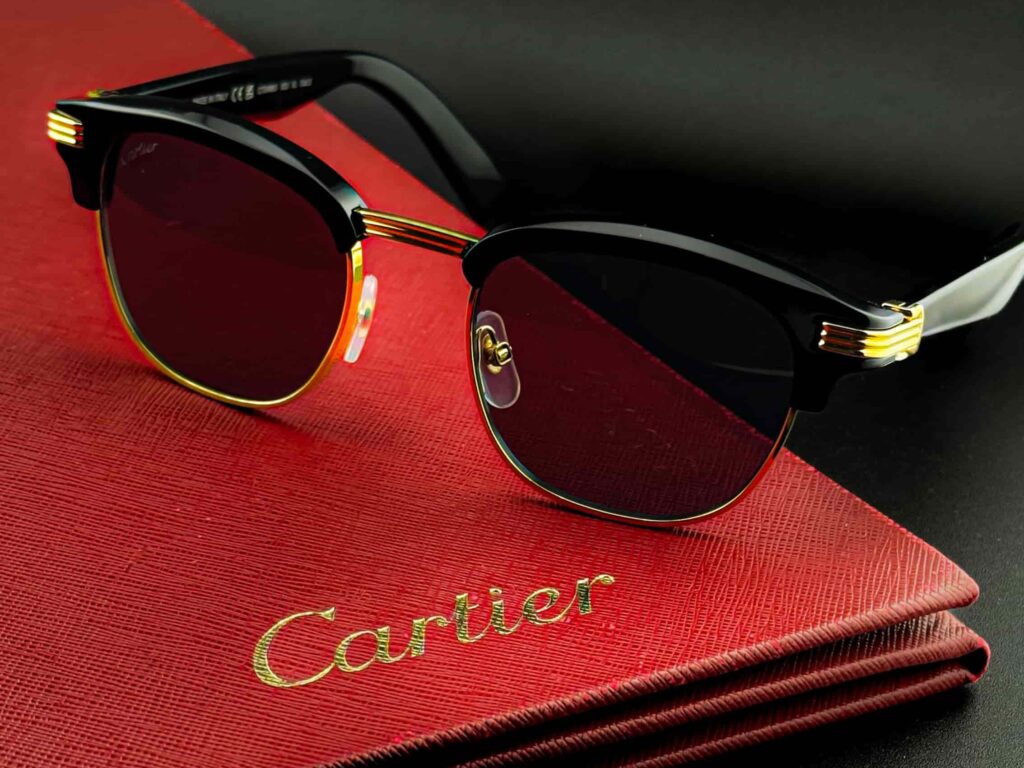
Luxury eyewear is defined not just by price, but by heritage, craftsmanship, exclusivity, and materials.
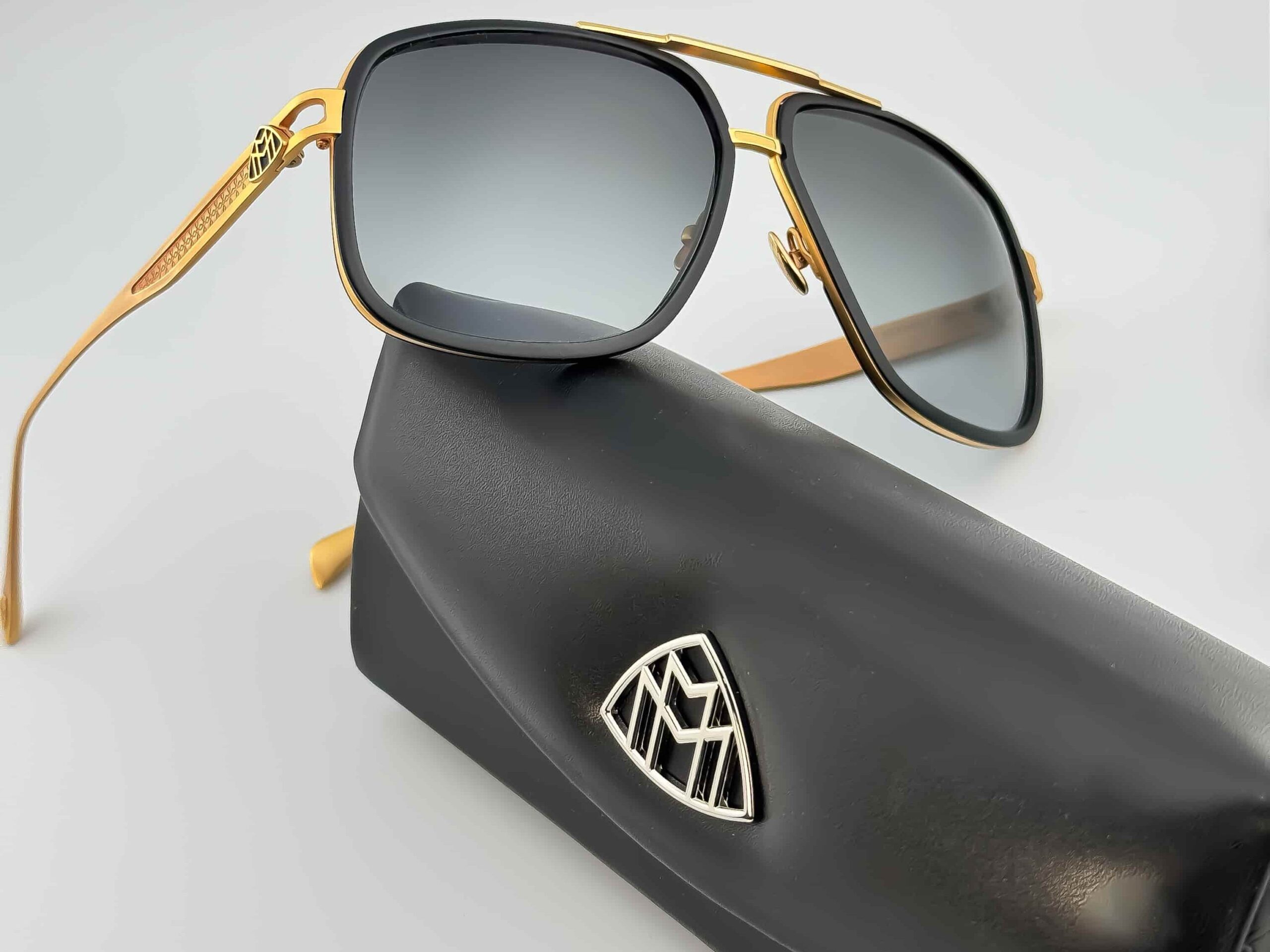
True luxury houses such as Cartier and Maybach operate under a different philosophy.
Luxury eyewear is characterized by:
- Limited production runs
- Handcrafted finishing
- Rare materials such as buffalo horn or gold detailing
- Strict certified distribution
- Strong brand legacy and heritage
Luxury eyewear is not designed for mass accessibility. It is designed for distinction.
Premium vs Luxury Eyewear: Side-by-Side Comparison
Below is a simplified comparison table to clearly illustrate the difference.
| Feature | Premium Eyewear | Luxury Eyewear |
| Production Scale | Large-scale manufacturing | Limited or small-batch production |
| Materials | High-grade acetate, titanium | Buffalo horn, gold, platinum, rare alloys |
| Craftsmanship | Machine-assisted precision | Hand-finished detailing |
| Brand Positioning | High-quality fashion | Heritage-driven exclusivity |
| Distribution | Widely available | Certified, selective retail |
| Price Range | Upper mid-tier | High-end to ultra-high-end |
| Buyer Motivation | Style + quality | Legacy + exclusivity + status |
| Longevity | Durable | Collectible, long-term investment |
This structural distinction is important when evaluating value.
Materials: Industrial Excellence vs Rare Craft Materials
Materials are one of the clearest indicators separating premium from luxury eyewear.
Premium Materials
Premium frames commonly used:
- Italian acetate
- Lightweight titanium
- Stainless steel
- Injection-molded components
These materials offer durability, comfort, and aesthetic appeal. They are high quality, but they are produced at scale.
Luxury Materials
Luxury eyewear may incorporate:
- Hand-selected buffalo horn
- Solid gold accents
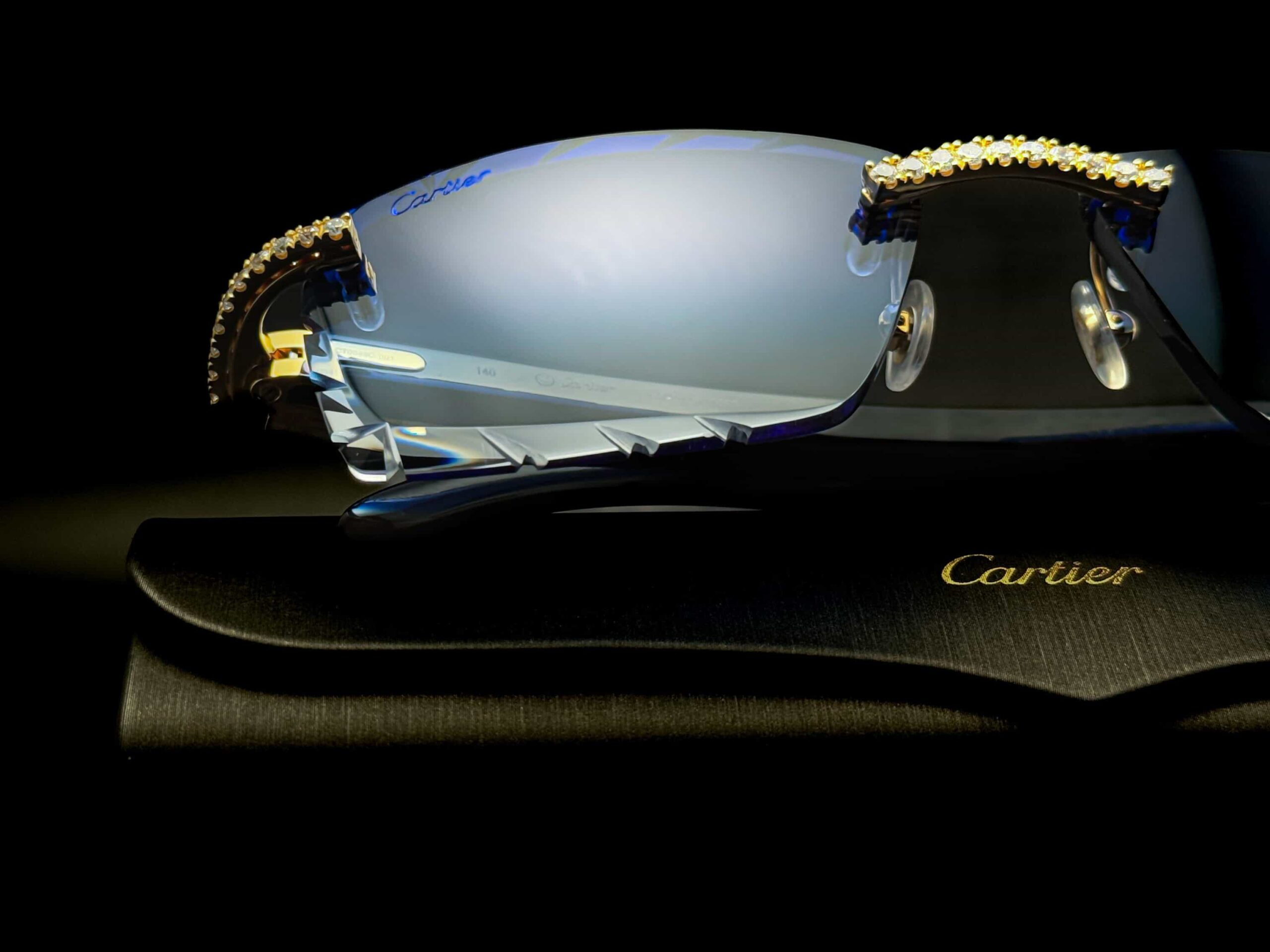
- Diamond-cut detailing
- Custom-engineered hinge systems
- Precious metal plating
Buffalo horn, for example, is individually patterned by nature, meaning no two frames are identical. This natural uniqueness is one reason luxury eyewear commands higher pricing.
Luxury is not about stronger materials. It is about rarer materials.
Craftsmanship and Production Philosophy
Premium eyewear manufacturing often involves advanced automated processes. Precision machinery ensures consistent output across thousands of units.
Luxury eyewear production may include:
- Hand-polishing stages
- Manual assembly
- Multi-step finishing processes
- Individual inspection protocols
In luxury houses, production time per frame can be significantly longer due to artisanal involvement.
Time investment equals exclusivity.
Brand Heritage and Identity
Premium brands typically focus on fashion trends and seasonal collections.
Luxury brands focus on legacy.
For example:
- Cartier was founded in 1847 and built its identity around fine jewelry and royal clientele.
- Maybach originated in the automotive space, representing engineering excellence and exclusivity.
When these houses produce eyewear, they carry decades, sometimes centuries, of brand equity.
Luxury eyewear is an extension of heritage, not just a product line.
Pricing: Cost vs Investment
Premium eyewear pricing reflects:
- Manufacturing quality
- Brand positioning
- Distribution margins
- Marketing investments
Luxury eyewear pricing reflects:
- Limited production
- Rare materials
- Heritage branding
- Certified distribution
- Craftsmanship time
This leads to a key distinction:
Premium eyewear is a purchase. Luxury eyewear is often considered an investment piece.
Some luxury frames retain strong resale value or become collectible over time due to limited production.
Distribution and Certification

One of the most overlooked differences is distribution control.
Premium eyewear:
- Sold in malls
- Available online
- Found in multi-brand retailers
Luxury eyewear:
- Available only through authorized or certified dealers
- Strict brand compliance standards
- Limited regional availability
Certification ensures authenticity, proper brand representation, and official warranty support.
In luxury, where you buy matters as much as what you buy.
Buyer Psychology: Who Chooses Premium vs Luxury?
Understanding buyer motivation helps clarify the distinction.
Premium Eyewear Buyers
- Value-conscious but quality-focused
- Trend-aware
- Replace frames more frequently
- Interested in brand visibility
Luxury Eyewear Buyers
- Seek exclusivity
- Appreciate heritage
- Prefer timeless over trendy
- Value craftsmanship details
- Purchase less frequently but invest more intentionally
Luxury buyers are not necessarily price-insensitive. They are value-sensitive in a different way. They evaluate heritage, rarity, and long-term satisfaction.
Durability and Longevity
Premium eyewear is built to last several years with proper care.
Luxury eyewear is often designed for extended ownership. With correct maintenance, certain luxury frames can remain in use for many years.
Some luxury brands also offer specialized aftercare, refinishing, or part replacement services that extend product lifespan.
Longevity contributes to perceived value.
Quick Summary Table: Decision Guide
| If You Prioritize | Choose Premium | Choose Luxury |
| Fashion trends | ✓ | |
| Broad brand availability | ✓ | |
| Rare materials | ✓ | |
| Handcrafted detailing | ✓ | |
| Heritage prestige | ✓ | |
| Accessible pricing | ✓ | |
| Exclusivity | ✓ |
Are Luxury Glasses Worth It?
This depends entirely on what you value.
If your priority is style, durability, and brand recognition at a strong price-to-quality ratio, premium eyewear delivers excellent value.
If your priority is craftsmanship, exclusivity, heritage, and statement-making design, luxury eyewear offers a different experience altogether.
Luxury is not a functional upgrade alone. It is a philosophical one.
The Growing Market Shift
Globally, the eyewear market has seen a divide:
- Mass and premium segments grow through accessibility.
- Luxury segments grow through exclusivity and brand elevation.
In cities like Dubai, where buyers appreciate craftsmanship and global luxury houses, the distinction between premium and luxury eyewear becomes even more relevant.
Discerning buyers increasingly seek certified luxury dealers to ensure authenticity and brand integrity.
Final Thoughts: Understanding the Real Difference
Premium eyewear represents elevated quality within reach. Luxury eyewear represents heritage, craftsmanship, and exclusivity.
They are not direct competitors. They serve different intentions.
When choosing between premium and luxury eyewear, ask yourself:
- Am I buying for trend or legacy?
- Am I looking for quality, or rarity?
- Do I want accessibility, or distinction?
The answer defines your category.
Frequently Asked Questions
1. Is premium eyewear considered luxury?
Not necessarily. Premium refers to higher quality than mass-market brands, while luxury refers to exclusivity, heritage, and rare craftsmanship.
2. Why is luxury eyewear more expensive?
Luxury eyewear incorporates rare materials, limited production, brand heritage, and certified distribution, all of which increase cost.
3. Do luxury glasses last longer?
They can, especially when maintained properly. Many luxury brands emphasize long-term ownership and aftercare services.
4. Is luxury eyewear worth the investment?
For buyers who value exclusivity, craftsmanship, and heritage, luxury eyewear can offer long-term satisfaction and collectible value.